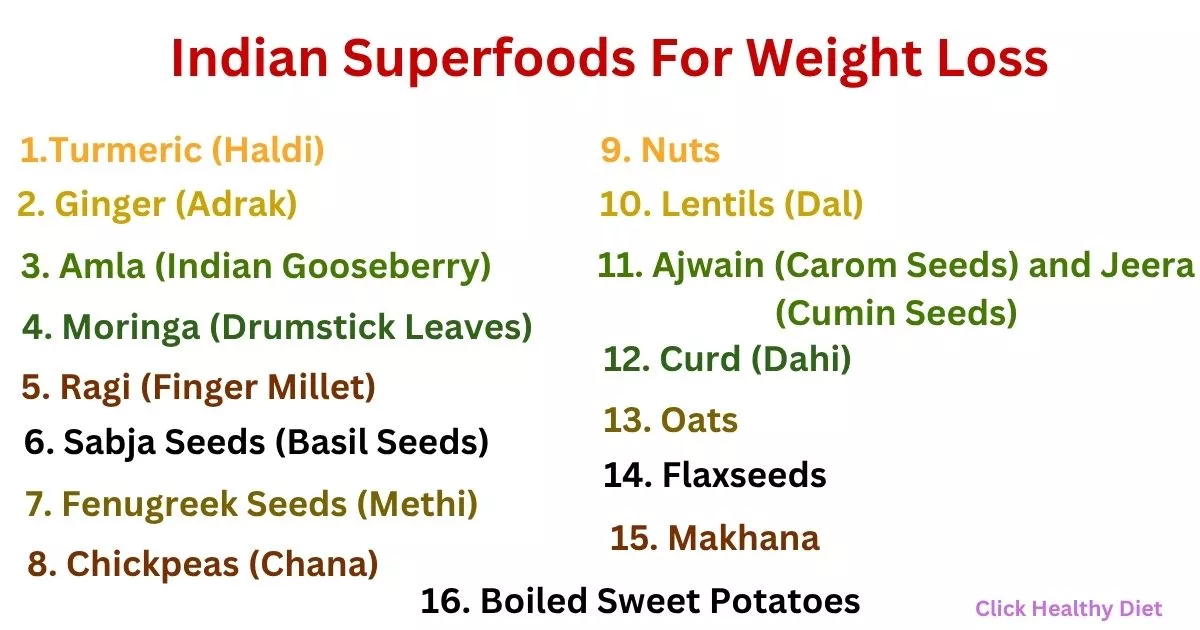
Introduction
Unlock the secret with Indian superfoods for weight loss, right from your kitchen!
Embark on your weight loss journey without chasing exotic imports or fad diets. India boasts a treasure of superfoods that pack powerful nutrients while aligning with your cultural palate and budget.
These foods, rich in fibre, protein, antioxidants, and healthy fats, help you burn fat, stay full longer, and maintain energy levels.
Start your journey today with simple, desi-inspired tips that bring you closer to your fitness goals.
Read More: Healthy Indian Snacks for Weight Loss
What Makes a Food a Superfood for Weight Loss?
Superfoods provide dense nutrition with minimal calories, making them ideal for weight loss by promoting a calorie deficit while nourishing your body. Indian superfoods for weight loss stand out as they effortlessly blend into everyday roti-sabzi dishes and chai rituals.
Scientific research reveals that their anti-inflammatory compounds help counter obesity-related challenges, while their high fibre content supports digestion and enhances feelings of fullness.
Studies show plant-based Indian ingredients regulate blood sugar and lipid levels, crucial factors in fat loss. For beginners, focusing on portion control and pairing these superfoods with light activities like walking or Yoga can optimise results.
Indian Superfoods For Weight Loss
As a beginner, start small—incorporate one or two Indian superfoods for weight loss from the list given below into your daily meals—and watch the results unfold. Backed by studies and research, this guide reveals how Indian superfoods for weight loss can transform your health by reducing inflammation, boosting metabolism, and controlling appetite.
1. Turmeric (Haldi)
Boost your metabolism naturally with turmeric, a staple in Indian kitchens. Its powerful compound, curcumin, fights inflammation—a key factor in weight gain—and promotes fat burning.
It has anti-inflammatory, anti-oxidant, anti-parasitic, and wound-healing properties. Research shows curcumin can reduce body weight and waist size in overweight individuals by enhancing insulin sensitivity.
Beginners can easily incorporate it by adding a teaspoon to warm milk or daily curries. Try making golden milk: simmer 1 cup of milk with ½ teaspoon turmeric, a pinch of black pepper (to enhance absorption). This soothing drink helps curb evening cravings and supports liver detoxification, aiding your weight loss journey.
2. Ginger (Adrak)
Ignite your digestive fire, adding a zing to your tea with ginger to boost metabolism. Gingerol, the active compound, enhances thermogenesis—your body’s calorie-burning heat production.
Research highlights ginger’s anti-obesity benefits in high-fat diet studies, showing reductions in body weight and cholesterol. Beginners can grate fresh ginger into morning chai or salads.
Try this simple recipe: Ginger-Lemon Water—mix 1-inch grated ginger with warm water and the juice of half a lemon. Drink it first thing to curb appetite and support gut health, making weight loss easier.
3. Amla (Indian Gooseberry)
Amla, a well-known therapeutic herb, is utilised in ayurvedic proprietary medications. It has antioxidant properties that help to flush toxins and accelerate fat loss. Loaded with vitamin C—20 times more than oranges—it stabilises blood sugar and reduces oxidative stress linked to obesity.
Studies note Amla’s role in enhancing metabolism and preventing fat accumulation. Eat it raw, as juice, or in chutney.
This superfood not only aids weight loss but also boosts immunity, improves eyesight, hair quality, and possesses anti-ageing properties.
4. Moringa (Drumstick Leaves)
Add a vibrant, healthful twist to your meals with moringa—an antioxidant-rich leaf packed with essential vitamins, minerals, and plant-based protein. Its high fibre content supports satiety, helping you feel fuller for longer, while its potent anti-inflammatory compounds may aid in reducing oxidative stress.
Research suggests moringa can improve lipid profiles and support weight management when included in a balanced diet.
Get creative in the kitchen: sauté fresh drumstick leaves with garlic and cumin for a nourishing side, stir moringa powder into soups and stews, or blend it into smoothies. New to moringa? Start simple with a calming tea—just steep 1 teaspoon of moringa powder in hot water. This low-calorie addition can help curb cravings and keep you energised between meals.
5. Ragi (Finger Millet)
Swap refined flour with ragi to sustain energy without sugar spikes. Rich in iron, calcium, and fibre, it regulates blood sugar and keeps you feeling full longer.
According to Research, the resistant starch in grains like ragi plays a key role in weight management and metabolic health.
Incorporate into your meals, making ragi porridge or rotis. Beginners- try a quick ragi dosa: Mix ragi flour with water, onions, and chillies for a filling breakfast.
Common Millets easily available in India are Sorghum(Jowar), Pearl millet(Bajra), Barnyard Millet(Sawan) and Finger millet (Ragi) are loaded with minerals and fibres that keep you healthy and strong.
Along with Ragi, these millets are equally beneficial in preventing cravings, making them ideal for busy Indians aiming to shed extra kilos.
6. Sabja Seeds (Basil Seeds)
Basil seeds, or sabja, are one of the powerful Indian superfoods for weight loss known for their impressive fibre content and their role in appetite regulation and satiety.
Sabja seeds are also a good plant-based source of protein and alpha-linolenic acid (ALA), a plant-based omega-3 that supports fat metabolism.
They also contain significant amounts of potassium, magnesium, and calcium. Basil seeds are rich in antioxidants such as flavonoids and polyphenols. It possesses anti-inflammatory properties that support weight loss goals.
When soaked, these tiny seeds swell into a gel-like texture that slows digestion, stabilises blood sugar, and reduces cravings. They are also good for your gut health and can relieve constipation and bloating as well.
They are beginner-friendly and easy to incorporate into daily routines.
To get started, soak 1 teaspoon in water for at least 15 minutes and then blend it into smoothies, or consume it plain with a dash of lemon juice for a refreshing, nutrient-dense boost.
7. Fenugreek Seeds (Methi)
Soaking fenugreek seeds overnight activates their soluble fibre, which helps regulate appetite and stabilise blood sugar levels. Rooted in Ayurvedic wisdom and backed by modern research, fenugreek is known to enhance metabolism—making it a valuable ally in weight management.
Incorporate it easily: sprinkle sprouted seeds over salads, brew a soothing methi tea, or—for beginners—add soaked seeds to your dal for a nutritional upgrade. This humble seed naturally curbs hunger pangs, making it easier to stay within your calorie goals while nourishing your body.
8. Chickpeas (Chana)
Power up your meals with chickpeas—a nutrient-dense legume that helps boost metabolism, keeps your digestive system on track and supports lean muscle growth and fat burning.
Rich in protein and fibre, chickpeas enhance satiety, reduce cholesterol, and help curb cravings.
Chana is a powerhouse of essential nutrients. Their protein and fibre balance helps stabilise blood sugar, contribute to steady energy release, regulate appetite and support effective weight management.
Versatile and easy to prepare, chickpeas fit seamlessly into any diet. Roast them for a crunchy snack, simmer them into comforting chana masala, or—if you’re just starting—toss boiled chickpeas with tomatoes, mint leaves, salt and lemon for a refreshing salad.
This low-calorie superfood keeps you full longer, making it easier to avoid mindless snacking and stick to your health goals.
9. Nuts – Pistachios (Pista), Almonds, Walnuts
They are an easy source of healthy oils, fibre, protein, vitamins and minerals. Besides this, they are loaded with natural antioxidants, minerals, and essential nutrients.
In fact, nowadays there is a growing trend to eat it as a snack food instead of consuming junk foods. They are the perfect addition to a vegetarian diet. Munch on nuts to satisfy cravings without derailing your diet. Low in calories yet rich in healthy fats.
Eat a handful daily. Beginners, soak these nuts in water at night and consume them in the mornings. These nuts provide sustained energy, making weight loss sustainable.
10. Lentils (Dal)
Include various dals like moong or masoor to increase fibre and protein intake. It has a low glycaemic index, which helps stabilise blood sugar and control cravings.
It keeps you feeling full for longer due to its high protein and fibre content, lowering overall calorie intake.
They sustain energy, aid digestion, and prevent constipation, contributing to weight management.
You can incorporate it by cooking it into simple dal tadka or lightly steamed sprouted moong salad. Beginners, start with moong dal soup with vegetables or prepare moong dal chilla(pancakes). This everyday superfood supports a healthy gut microbiome, essential for fat loss.
11. Ajwain (Carom Seeds) and Jeera (Cumin Seeds)
Combat bloating with ajwain and jeera to keep your digestive system efficient. Its anti-inflammatory properties support weight loss by boosting metabolism, reducing systemic inflammation and improving nutrient absorption.
Both spices help your body burn calories more efficiently. It helps lower the bloating and gas due to its carminative properties.
Chew seeds post-meal or add to parathas. Beginners, brew ajwain water or jeera water: Boil 1 tsp in water. This relieves discomfort, allowing consistent dieting.
12. Curd (Dahi)
Top your meals with curd to introduce probiotics that enhance gut health and metabolism. It improves digestion and helps to burn fat more efficiently.
Curd is a rich source of protein that helps preserve muscle mass during weight loss and increases a feeling of fullness, preventing overeating.
It aids in de-stressing and weight loss with its calcium content. Eat plain, unsweetened curd or choose low-fat curd. Beginners, consume as raita or buttermilk. This cooling superfood promotes fullness and nutrient uptake.
13. Oats
Oats are a powerhouse whole grain that supports weight loss through multiple pathways. Rich in beta-glucan—a soluble fibre that promotes satiety, helping reduce overall calorie intake.
Research highlights beta-glucan’s role in appetite control and fullness. By slowing digestion and stabilising blood sugar, oats also help curb cravings and prevent energy crashes.
Oats consumption is linked to improved lipid profiles and reduced body weight in overweight individuals. Oats offer sustained energy and support metabolic health. Their anti-inflammatory properties may also help counter obesity-related complications.
For an easy start, try a warm bowl of oatmeal topped with fruits or whip up a savoury oats upma or oats masala—perfect for a satisfying, weight-loss-friendly Indian breakfast.
14. Flaxseeds
Flaxseeds are rich in fibre, omega-3 fatty acids (ALA), and lignans, which make them powerful for weight loss. The soluble fibre in flaxseeds absorbs water and expands in the stomach, increasing feelings of fullness and reducing hunger.
It also helps regulate bowel movements and avoid constipation, leading to a healthy gut.
Studies show flaxseed intake helps reduce body weight, BMI, and waist circumference, especially when combined with calorie control.
The omega-3s reduce inflammation and improve fat metabolism, while lignans balance hormones that affect fat storage. Flaxseeds also stabilise blood sugar and support better digestion, preventing overeating.
For best results, consume 1–2 tablespoons of ground flaxseeds daily with warm water, salad, smoothies, or oatmeal.
15. Makhana
Makhana—also known as fox nuts or lotus seeds—is a low-calorie, high-protein superfood that makes snacking smarter and more satisfying.
Packed with fibre, it promotes satiety and helps curb cravings, making it easier to manage calorie intake. Its low glycemic index supports stable blood sugar levels and may reduce fat accumulation, according to emerging research.
Rich in magnesium, potassium, and antioxidants, makhana helps boost metabolism and combat inflammation linked to obesity.
Its plant-based protein supports muscle maintenance during fat loss, while its gluten-free, low-fat profile makes it a wholesome alternative to fried snacks.
Roasted makhana is easy to prepare and perfect between meals—helping reduce overeating and support steady, long-term weight management.
16. Boiled Sweet Potatoes
Boiled Sweet potatoes are a smart, satisfying choice for weight management—naturally low in calories, rich in fibre, and boasting a low glycaemic index. It is a gut-friendly carb that supports weight loss.
Their fibre promotes satiety by slowing digestion and reducing appetite, helping you stay fuller for longer and curb unnecessary snacking.
Research highlights that low-GI foods like boiled sweet potatoes help stabilise blood sugar and insulin levels, reducing the likelihood of fat storage.
They also support fat oxidation and nurture a healthy gut microbiome. Loaded with vitamins A and C, plus potassium, sweet potatoes fuel metabolism and help reduce inflammation linked to obesity.
Whether baked, boiled, or mashed, they’re a nutrient-dense, wholesome alternative to refined carbs—perfect for anyone seeking a balanced, weight-loss-friendly diet.
Tips for Incorporating These Superfoods as a Beginner
Start by replacing one meal component daily—switch white rice with ragi or add ginger to tea. Track your intake. Combine with hydration (3-4 litres of water) and 30-minute walks.
Potential Challenges and Solutions
Beginners might face taste adjustments—experiment with spices. If digestion issues arise, introduce foods gradually. Remember, consistency trumps perfection.
Conclusion
With Indian Superfoods for Weight Loss, shedding pounds no longer feels like a struggle—it becomes a delicious, cultural ritual. Turmeric, amla, ragi, and their nutrient-packed companions offer metabolism boosts, appetite control, and lasting energy without leaving your familiar roti-sabzi routine.
Start small, stay patient, and combine with 30-minute walks and mindful portions. As a beginner, build habits slowly and pair them with balanced meals for lasting results. Your plate is now your prescription—transform it today and thank yourself tomorrow.
FAQ’s (Frequently Asked Questions)
1. Do I need to eat all 16 superfoods every day to lose weight?
No, start small as a beginner. Incorporate just 1–2 superfoods daily, like adding turmeric to milk or ragi to rotis. Consistency with portion control and light exercise (e.g., 30-minute walks) creates a calorie deficit over time, for sustainable fat loss.
2. Are these Indian superfoods scientifically proven to aid weight loss?
Yes, each is supported by research. For example, curcumin in turmeric reduces inflammation, gingerol boosts thermogenesis, amla stabilises blood sugar, and ragi’s resistant starch promotes satiety.
3. Can beginners use these superfoods without changing their entire diet?
Absolutely, replace refined flour with ragi for dosa, add ginger to chai, or sprinkle methi seeds on dal. Track progress and stay hydrated (3–4 litres of water daily) for effortless results.
4. What if I experience bloating or taste issues when starting?
Introduce foods gradually to avoid digestion problems—start with half portions. For taste, experiment with spices (e.g., cumin in moringa sauté). Ajwain water or curd’s probiotics help reduce bloating; consistency improves adaptation within 1–2 weeks.
5. How do these superfoods help with cravings and metabolism?
High-fibre options like chickpeas, lentils, and fenugreek promote fullness and stabilise blood sugar to curb hunger. Metabolism boosters include ginger (thermogenesis), turmeric (fat oxidation), which enhance calorie burn.
6. Is it safe to rely only on these superfoods for weight loss without exercise?
They support weight loss naturally, but combine with physical activity for the best results. Studies show anti-inflammatory compounds reduce obesity risks, but pair with balanced meals, portion control, and walking.
References
Healthy Grains and How to Enjoy Them
https://www.webmd.com/diet/ss/slideshow-healthy-whole-grains
Superfoods: An upcoming trend In Indian food market
A critical review of superfoods from a holistic nutritional and environmental approach
https://www.sciencedirect.com/science/article/pii/S095965262204063X#sec2
Nutritional Profile and Potential Health Benefits of Super Foods: A Review
https://www.mdpi.com/2071-1050/13/16/9240
Superfoods: Recent Data on their Role in the Prevention of Diseases
Moringa improves lipid profiles and weight management
https://pmc.ncbi.nlm.nih.gov/articles/PMC8176035/
The impact of Emblica Officinalis (Amla) on lipid profile, glucose, and C-reactive protein: A systematic review and meta-analysis of randomized controlled trials
https://pubmed.ncbi.nlm.nih.gov/36934568/